Case Study — AI Content Engine

From research brief to published article — fully automated, multi-format content generation.

4
content formats supported
<90s
end-to-end generation time
3
LLM providers integrated
100%
structured output compliance

The challenge.

Content teams at B2B SaaS companies produce dozens of content types — blog posts, case studies, documentation, landing pages — each requiring a different structure, tone, and format. Writers spend up to 40% of their time on research and formatting rather than actual storytelling and editing.

The existing workflow relied on manual research, separate writing tools, and copy-paste into a CMS. Maintaining consistent brand voice across formats was nearly impossible, and scaling content production meant hiring more writers — linearly increasing cost with output.

The specific problems
  • No unified pipeline to generate multiple content formats from a single research brief
  • Brand voice and formatting rules applied manually per article, leading to inconsistency
  • No automated deployment to WordPress or headless CMS after generation
  • Research phase required separate web scraping and summarisation steps with no repeatable workflow
What was built.

A multi-format AI content engine that transforms a research brief into a published CMS post — blog, case study, documentation, or landing page — with no manual intervention.

Research & Brief Ingestion
Built a structured brief intake system accepting topic, target audience, tone guidelines, SEO keywords, and format selection. The engine enriches the brief via automated web research using Firecrawl — scraping competitor content, industry sources, and reference material — then summarises findings into a structured research context object before generation begins.
Multi-Format Generation Pipeline
Designed a pipeline that routes the enriched brief through format-specific generation profiles — each with its own OpenAI structured output schema, token budget, and section templates. Blog posts follow a TL;DR → Evidence → Counterargument → Conclusion structure. Case studies use Problem → Approach → Outcome. Each profile enforces character limits, heading depth, and tone constraints via system prompts and output validation.
Supabase Vector Search & Source Retrieval
Integrated Supabase pgvector for semantic search over existing content. Before generating, the engine queries the vector store for company-specific terminology, past articles, and brand guidelines — injecting relevant fragments as few-shot examples into the prompt. This ensures consistency with previously published content without manual curation.
WordPress & CMS Deployment
Built an automated deployment layer that publishes generated content to WordPress via the REST API — creating drafts with proper categories, tags, featured images, meta descriptions, and Yoast SEO fields. A staging mode outputs to a local JSON store for review before publishing. Added webhook notifications on successful deployment.

What shipped.

4
content formats supported: blog, case study, documentation, landing page
<90s
end-to-end generation from brief intake to WordPress draft ready for review
3
LLM providers integrated — OpenAI, Anthropic, and open-source fallback via Ollama
100%
structured output compliance — every generation validates against its schema
Supabase
pgvector-powered semantic retrieval for brand-consistent few-shot examples
Webhook
notifications on publish, staging mode for manual review before going live
OpenAI Anthropic Ollama Supabase pgvector Firecrawl WordPress REST API Laravel 10 React 18 TypeScript

The developer.

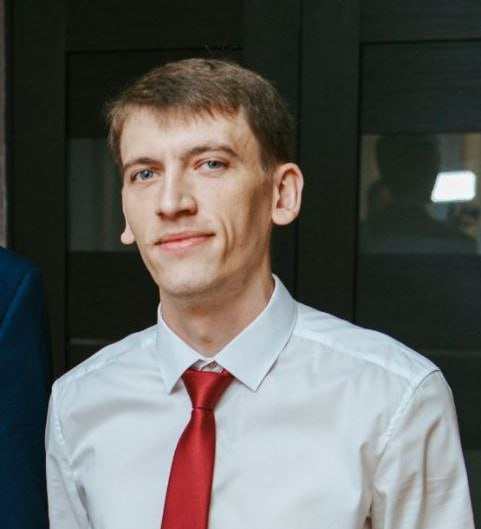
Alexander Dudnik
Alexander Dudnik
AI & Full-Stack Engineer

10+ years of commercial experience in backend development, system architecture, and building scalable applications. Specialises in PHP, Node.js, React, PostgreSQL, and message queue architectures. Experienced in technical leadership: task decomposition, estimation, database design, and core system architecture across high-load environments.

Need an AI content engine built for your team?

Fixed-price sprints. PM included. First sprint free if we miss scope. Start with Sprint Zero at $2,500 — 2-week diagnostic, money-back guaranteed.